8 min lesson · by Linda
When to Plant What
Frost dates, soil temperature, cool-season vs warm-season, why fall is the secret season for trees — and a live planting calendar for your zone.
The only two dates that matter: last frost and first frost
Every planting question I've been asked in 38 years — "Is it too early for tomatoes?", "Can I still put in a tree?", "When do the tulips go in?" — comes back to two dates: the average last spring frost and the average first fall frost. Everything you plant is timed off one of those two anchors. Learn yours and you'll never guess again.
Your USDA hardiness zone (that 3 to 10 number) is really a winter-cold rating, but it tracks closely with your frost dates, which is why I use it as the shorthand. Zone 6 here in the Northeast means a last frost around mid-April and a first frost around mid-October. Zone 4 up north loses a full month on each end; Zone 8 down south gains one. The table further down gives you the averages — and the live calendar below it pulls the timing for your exact zip code.
Linda's Tip 🌿
"Average" last frost means half the years it frosts later than that. If you plant tender things right on the date, keep an old bedsheet handy for one cold night. If you'd rather not gamble, wait two weeks past the average. That's what I do with my own tomatoes.
Soil temperature beats the calendar every time
The calendar says May; the soil says no. Plants respond to soil temperature, not what month it is. Cool-season crops (peas, spinach, lettuce, broccoli, onions) will germinate and grow in 45–50°F soil. Warm-season crops (tomatoes, peppers, beans, squash, basil) sulk, rot, or stall until the soil holds 60–65°F — and peppers really want 70°F.
A $10 soil thermometer from the hardware store is the best gardening tool nobody buys. Push it 4 inches into the bed at 9am for three mornings in a row. If it reads 60°F+, the warm-season crew can go in. No thermometer? Watch the plants that never lie: when forsythia blooms, cool-season seeds go in. When lilacs are in full bloom, it's warm enough for beans. When the oak leaves are the size of a squirrel's ear, tomatoes can go out. Old-timers' rules, still dead accurate.
Cool-season vs warm-season: the two teams
Team Cool goes in first and comes out first. Peas, spinach, lettuce, radishes, kale, broccoli, cabbage and onion sets can be planted 4–6 weeks BEFORE your last frost — they shrug off a freeze and actually taste better for it. They bolt or turn bitter once summer heat arrives, so they get a second season in late summer for a fall harvest.
Team Warm waits for the all-clear. Tomatoes, peppers, cucumbers, zucchini, beans, corn, basil and every summer annual in the garden center go in after the last frost date AND when nights stay above 50°F. One 34° night doesn't kill a tomato, but it sets it back two weeks — so the gardener who waits until late May in Zone 6 usually harvests before the one who rushed in early May. Patience is a fertilizer.
Linda's Tip 🌿
Garden centers put tomatoes out for sale a full month before it's safe to plant them — because that's when people want to buy. Buy them if you must, but pot them up and keep them on the porch until the soil says go.
Trees and shrubs: fall is the secret season
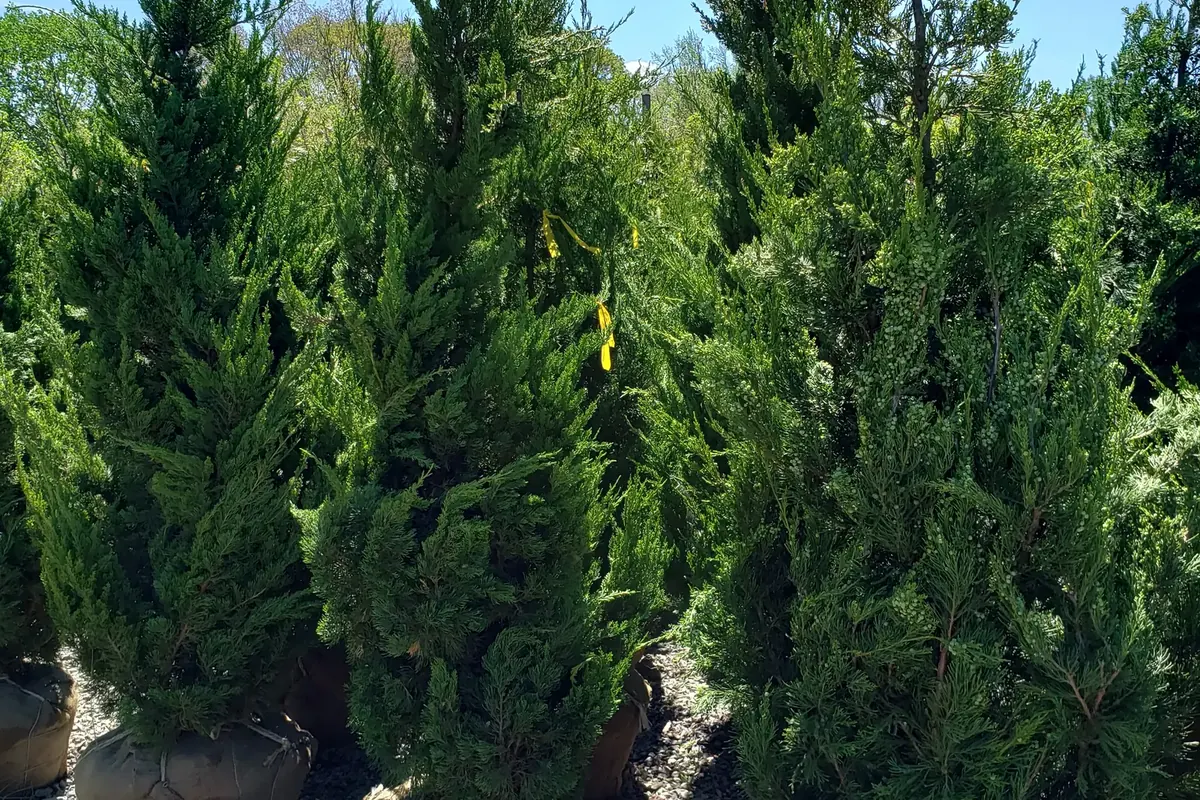
Here's the thing the big-box stores never tell you: the best time to plant a tree or shrub is September into October, not spring. In fall the soil is still warm (roots grow like crazy), the air is cool (no heat stress), and autumn rains do your watering. That new maple spends all winter quietly making roots underground, then explodes into growth in spring — a full season ahead of one planted in May. Fall-planted trees also cost less, because nurseries are clearing inventory.
Spring is a fine second choice — April in most zones, once the ground is workable — as long as you commit to watering every week through summer. The one time I beg you NOT to plant woody plants is July and August in a heat wave. I've replaced more July-planted arborvitae than everything else combined. Cool zones (3–4): finish fall planting by mid-September so roots grab hold before the ground freezes. Warm zones (8–10): your window runs November right through February, when the plants are dormant and the heat is gone.
Whichever season you plant, the rule is the same: water deeply once a week for the first TWO summers, mulch 2–3 inches (off the trunk), and skip the fertilizer the first year — you want roots, not leaves.
Linda's Tip 🌿
My favorite rule of thumb for any landscape you plant: the first year the new plants SLEEP, the second year they CREEP, the third year they LEAP. Fall-planted plants get a head start on the sleeping — so don't panic when year one looks quiet. It's working underground.
Bulbs, perennials, garlic and the bare-root crowd
Spring bulbs — tulips, daffodils, hyacinths, alliums — need a cold winter to bloom, so they go in the ground in October, once soil drops below 55°F and before it freezes solid. Plant them 2–3 times as deep as the bulb is tall, pointy end up. Garlic follows the same October rule (November in Zones 8–9): a single clove planted in fall becomes a full head next July.
Perennials are flexible: plant them in spring (April–May) or early fall (September). Avoid the dog days — a coneflower planted in July spends all its energy just staying alive. Bare-root roses, fruit trees and shade trees are the exception that proves the rule: they're planted dormant, in late winter — January in Zones 8–10, March–April in colder zones — before they wake up.
Your zone's planting calendar
Enough theory. Type in your zip code and the calendar below pulls the planting, seed-starting and bulb tasks for your USDA zone straight from my Seasonal Planner — month by month, for the whole year. The current month is highlighted so you know what to do this weekend.
Live tool · your zone's planting calendar
Enter your zip. See what to plant, month by month.
February
Start seeds indoors
Start onions, leeks, peppers, and slow growers under grow lights 8-10 weeks before last frost.
March
Plant peas & spinach
Direct-sow cold-hardy peas, spinach, lettuce, and radishes 4-6 weeks before last frost.
Start tomatoes & peppers indoors
6-8 weeks before your last frost, start tomatoes and peppers under lights. Keep the soil 70-80°F until they sprout.
April
Plant cool-season crops
Set out broccoli, kale, cabbage, and onion sets. They thrive in 50-60°F soil.
Plant trees & shrubs (spring window)
Spring's planting window: get woody plants in before heat arrives so roots settle — then water deeply every week all summer.
May
Plant warm-season crops
After last frost, plant tomatoes, peppers, basil, cucumbers, zucchini, and beans.
June
Succession plant
Direct sow another round of beans, lettuce, and basil for continuous harvest.
August
Plant fall vegetables
Sow lettuce, spinach, kale, and brassica transplants for an autumn harvest.
September
Plant trees & shrubs
Cooler weather, warm soil — perfect for new woody plants to establish before winter.
Order spring bulbs
Order tulips, daffodils, alliums for October planting. Buy quantity for impact.
Octobernow
Plant spring bulbs
Plant tulips, daffodils, hyacinths 2-3x deep as the bulb is tall. Pointy end up.
Plant garlic
After the first light frost, plant garlic cloves 2 inches deep, pointy end up, 6 inches apart. Mulch and forget until July.
Linda's planting windows by zone
| Zone | Avg. last frost | Avg. first frost | Warm-season crops go in | Best tree & shrub window |
|---|---|---|---|---|
| 3 | Late May | Early–mid Sept | Early June | Late Aug – mid Sept (or May) |
| 4 | Mid May | Late Sept | Late May – early June | Sept (or May) |
| 5 | Late April – early May | Early–mid Oct | Mid–late May | Sept – early Oct (or April) |
| 6 | Mid April | Mid–late Oct | Mid May | Sept – Oct (or April) |
| 7 | Late March – early April | Early–mid Nov | Late April – early May | Oct – Nov (or March) |
| 8 | Mid March | Late Nov | April | Oct – Feb |
| 9 | February | Early Dec | March | Nov – Feb |
| 10 | Rare / late Jan | Rare | Feb – March (and again Aug – Sept) | Nov – Feb |
Find your two frost dates, trust the soil thermometer over the calendar, plant Team Cool early and Team Warm late, put trees and bulbs in the ground in fall, and then give everything two summers of honest watering. Sleep, creep, leap. Get the timing right and the plants do the rest.
Written by
Landscape Designer & Contractor · 38+ years of hands-on landscape construction in the Northeast. Every article here comes from real jobs, real soil and real mistakes — not a content farm.Last reviewed 2026-09-15.
Get the full monthly checklist
The free Seasonal Planner gives you pruning, lawn, mulch and planting tasks for every month in your zone — and can remind you by push notification.
Open the Seasonal PlannerSee it planted in your yard
Upload a photo of your beds and let the AI Designer show you the finished planting before you dig. First design free.
Try the AI DesignerFree download
Get Linda's Top 10 Backyards — free.
Plus one gardening tip a week from 38 years of experience. No spam, unsubscribe anytime.
We'll never share your email. One tip a week, that's it.