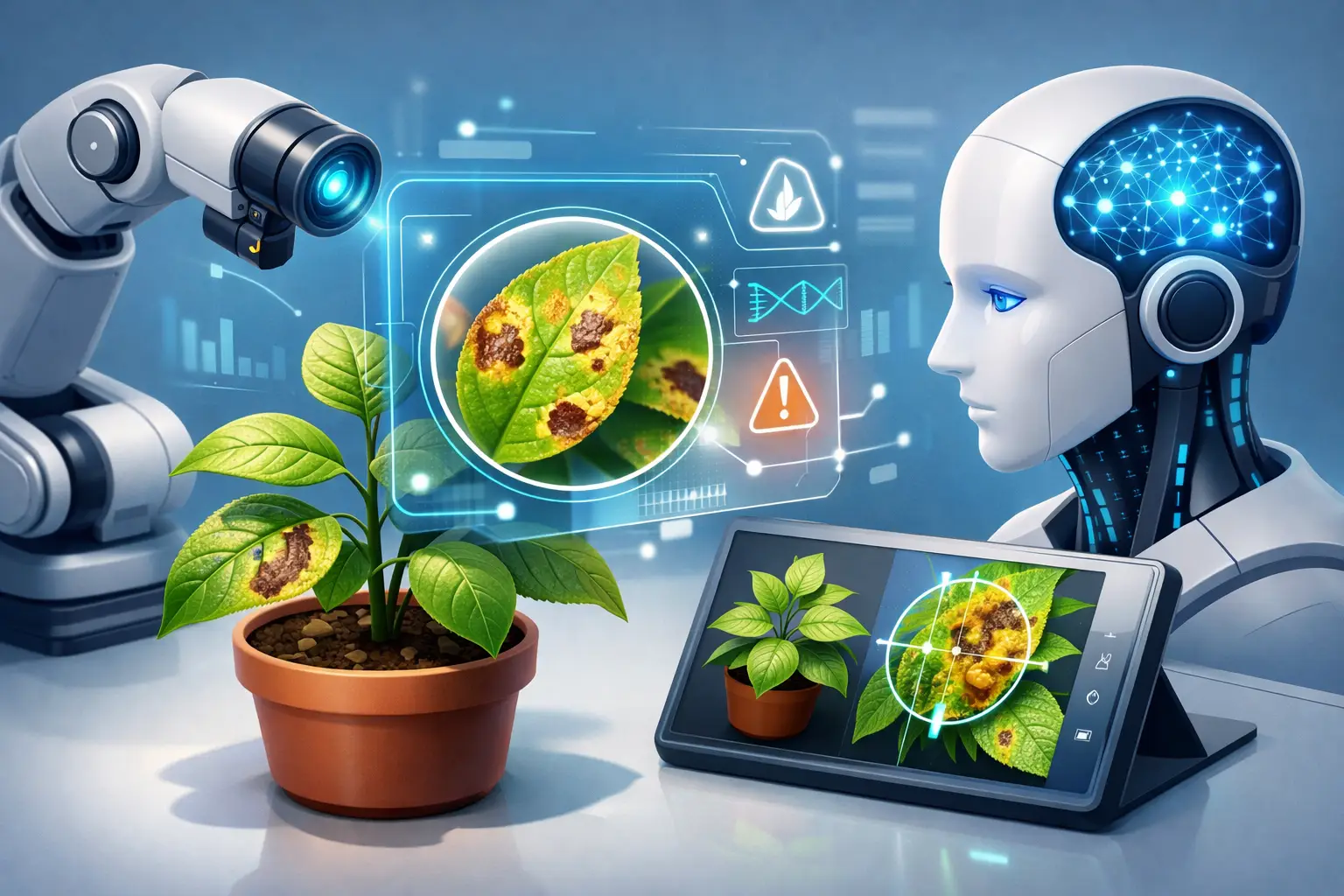
A tomato leaf with yellow spots can send you straight into guesswork. Is it overwatering, early blight, sun scorch, or a nutrient issue? That is exactly why so many homeowners ask, can AI identify plant disease with enough accuracy to trust the result.
The short answer is yes, often. The better answer is that AI can be very useful for spotting likely plant problems early, but it works best as a fast diagnostic tool, not a magic answer machine. If you want healthier plants, fewer missteps, and quicker decisions in the yard, that distinction matters.
Can AI identify plant disease in real life?
In many cases, yes. AI plant diagnosis tools analyze visual patterns in leaves, stems, flowers, and overall plant structure. They compare what your photo shows against large sets of known symptoms, then return the most likely matches. That can include fungal diseases, bacterial infections, pest damage, nutrient deficiencies, and environmental stress.
For a homeowner, that speed is the biggest advantage. Instead of spending an hour scrolling through photos that all look vaguely similar, you can get a focused answer in seconds. That is especially helpful when a problem is spreading and timing matters.
Still, real-life performance depends on image quality, symptom visibility, and how distinct the issue actually is. Powdery mildew is often easier for AI to recognize than a subtle root problem. A clear photo of a leaf lesion will usually produce a stronger result than a blurry shot taken in harsh shade.
How AI identifies plant disease
Most AI plant tools start with image recognition. You take a photo of the damaged area, and the system looks for color changes, spot patterns, edge damage, wilting, mold growth, vein discoloration, and other visible markers. It then ranks probable causes based on what it sees.
That sounds straightforward, but plant diagnosis is rarely one-variable simple. Similar symptoms can come from very different causes. Yellowing leaves might point to disease, poor drainage, heat stress, compacted soil, or a watering schedule that swings from dry to soaked.
That is why the best AI systems do more than image matching. They work better when they factor in context, such as plant type, season, region, sunlight exposure, and recent care conditions. A practical tool should not just identify a possible issue. It should help you decide what to do next.
Where AI gets it right
AI tends to perform well when symptoms are visible and common. Leaf spot diseases, mildew, rust, blight, and obvious insect feeding often leave recognizable patterns. On ornamental plants and common garden vegetables, results can be surprisingly strong.
It is also good at triage. Even if it does not give a perfect diagnosis on the first try, it can narrow the field fast. That alone saves time and reduces the chance that you will treat the wrong problem.
For homeowners managing mixed landscapes, this matters. A problem in a raised bed needs a different response than one on a mature shrub near the foundation. Fast identification helps you protect nearby plants, adjust irrigation, and avoid wasting money on the wrong product.
Where AI can miss the mark
AI is not infallible, and plant health is a messy category. A lot of damage looks alike on the surface. Browning, curling, and spotting can overlap across disease, pests, nutrient issues, herbicide drift, and weather stress.
Root rot is a good example. By the time a plant shows visible decline above ground, the symptoms can mimic several unrelated problems. AI can flag a likely issue, but it may not see what is happening below the soil line.
There is also the photo problem. If the image is too dark, too far away, or focused on the wrong part of the plant, the diagnosis can weaken quickly. One damaged leaf on a stressed plant does not always tell the whole story.
Rare plants and unusual regional issues can be harder too. AI systems are strongest where they have plenty of training examples. If the tool has seen thousands of images of rose black spot, it has a solid base. If it has fewer examples of a less common disease on a niche ornamental, confidence drops.
What homeowners should expect from AI diagnosis
Think of AI as a smart first read. It can shorten the path from symptom to action, but it should not replace observation and common sense.
If the result says fungal disease, look at the bigger pattern. Is the plant crowded with poor air circulation? Has watering been hitting the leaves? Has the issue spread to similar plants nearby? Those details help confirm whether the diagnosis fits.
If the app suggests nutrient deficiency, ask whether recent rain, soil conditions, or root stress might be part of the picture. A practical diagnosis is not just about naming the issue. It is about making the right fix.
That is where an expert-backed tool has a clear edge. Backyard Buddy, for example, pairs AI speed with real landscaping knowledge, which is useful when a plant problem is tied to placement, drainage, sun exposure, or broader yard conditions instead of disease alone.
How to get better results when using AI for plant disease
Good inputs matter. Start with clear, close photos of the affected area, but do not stop there. Take one image of the damaged leaf or stem and another of the full plant. If multiple leaves are affected, include a few examples. Natural light helps, and so does a simple background that keeps the symptom easy to see.
It also helps to check the plant at the right stage. Very early symptoms can be too subtle, while advanced decline can hide the original cause. If you catch changes when they first appear but after they become visible, AI has a better chance of reading the pattern accurately.
Context improves outcomes too. If the tool allows notes, include what changed recently. Mention heavy rain, a heat wave, new mulch, transplanting, pruning, or a shift in watering. Those clues can separate disease from stress.
Why AI is especially useful for DIY landscaping
Most homeowners are not trying to become plant pathologists. They want to know whether they need to prune, treat, water less, water more, improve drainage, or remove a plant before the problem spreads.
That is where AI fits naturally into modern yard planning. It reduces delay, cuts down on trial and error, and gives you a more confident starting point. If you are balancing curb appeal, seasonal color, vegetable beds, and foundation plantings, quick answers matter.
It also supports smarter planning long term. If a shrub keeps developing disease because it is packed into a low-airflow corner, the real fix may be design-related, not chemical. A tool that helps diagnose the issue and rethink the space is more useful than one that only labels leaf damage.
So, can AI identify plant disease well enough to trust?
Yes, with a practical caveat. AI is good enough to be genuinely helpful, especially for early detection, common diseases, and quick decision-making. It is not perfect, and it should not be treated like a lab test. But for everyday homeowners managing gardens and landscapes, it can turn uncertainty into action much faster than old-school guesswork.
The smartest approach is to use AI as your first move, then match the diagnosis against what you know about the plant, the site, and recent conditions. When the answer lines up with the evidence, you can act faster and with more confidence. When it does not, that is your signal to look deeper before treating.
Better yards usually come from better decisions made earlier, and that is exactly where AI has real value.