Warren County · Zone 6a · 07838
Backyard Landscaping Ideas in Great Meadows, NJ
The richest soil in New Jersey — and the wettest. Landscaping here is about drainage, frost and wind, in that order.
Great Meadows is famous for a reason: the drained wetland along the Pequest River is deep, black, muck soil that grew onions, lettuce and sod for generations. If your lot is on the meadow, you have soil most gardeners would steal — and a water table you can practically reach with a shovel. If you're up on the ridges toward Jenny Jump, it's the opposite: rocky, thin and dry. Knowing which one you're standing on decides everything.
The meadow also makes its own weather. Cold air slides off the hills and pools in the low ground, so Great Meadows frosts later in spring and earlier in fall than Hackettstown ten minutes away. Add wide-open sun and wind with nothing to stop it, and the deer, groundhogs and geese that come with farm country. Here's how I'd landscape it — and where to buy what you need near 07838.
Hardiness zone
6a
Last spring frost
May 15–20
First fall frost
Sep 25 – Oct 5
Deer pressure
Very high
Real backyards from Linda's crew
The ground you'll recognize around Great Meadows
Every photo is one of Linda's own northern New Jersey projects — the same rock, light, slopes and soil you're working with in Warren County.
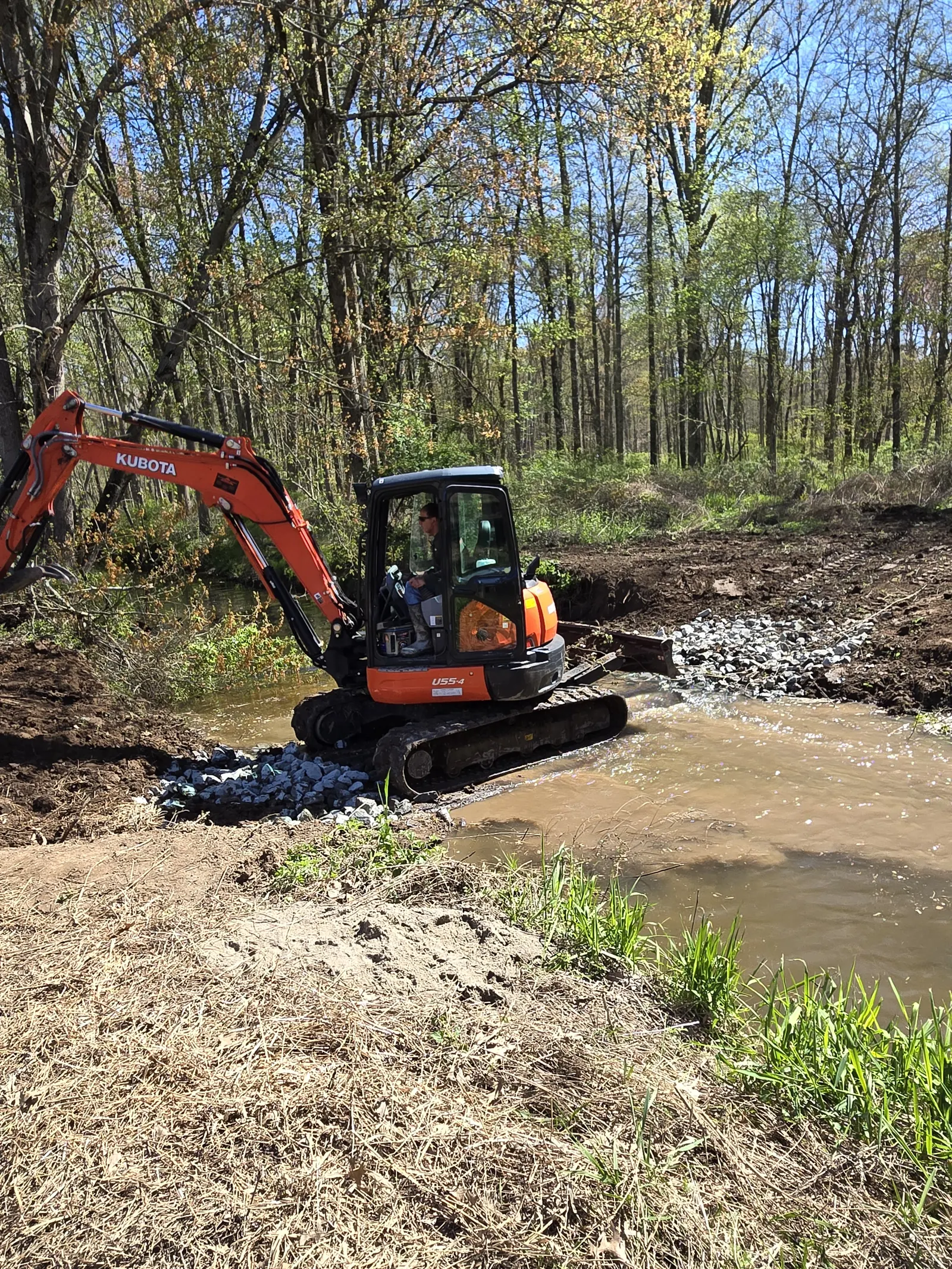
Holding a wet bank with plants that want their feet in water.
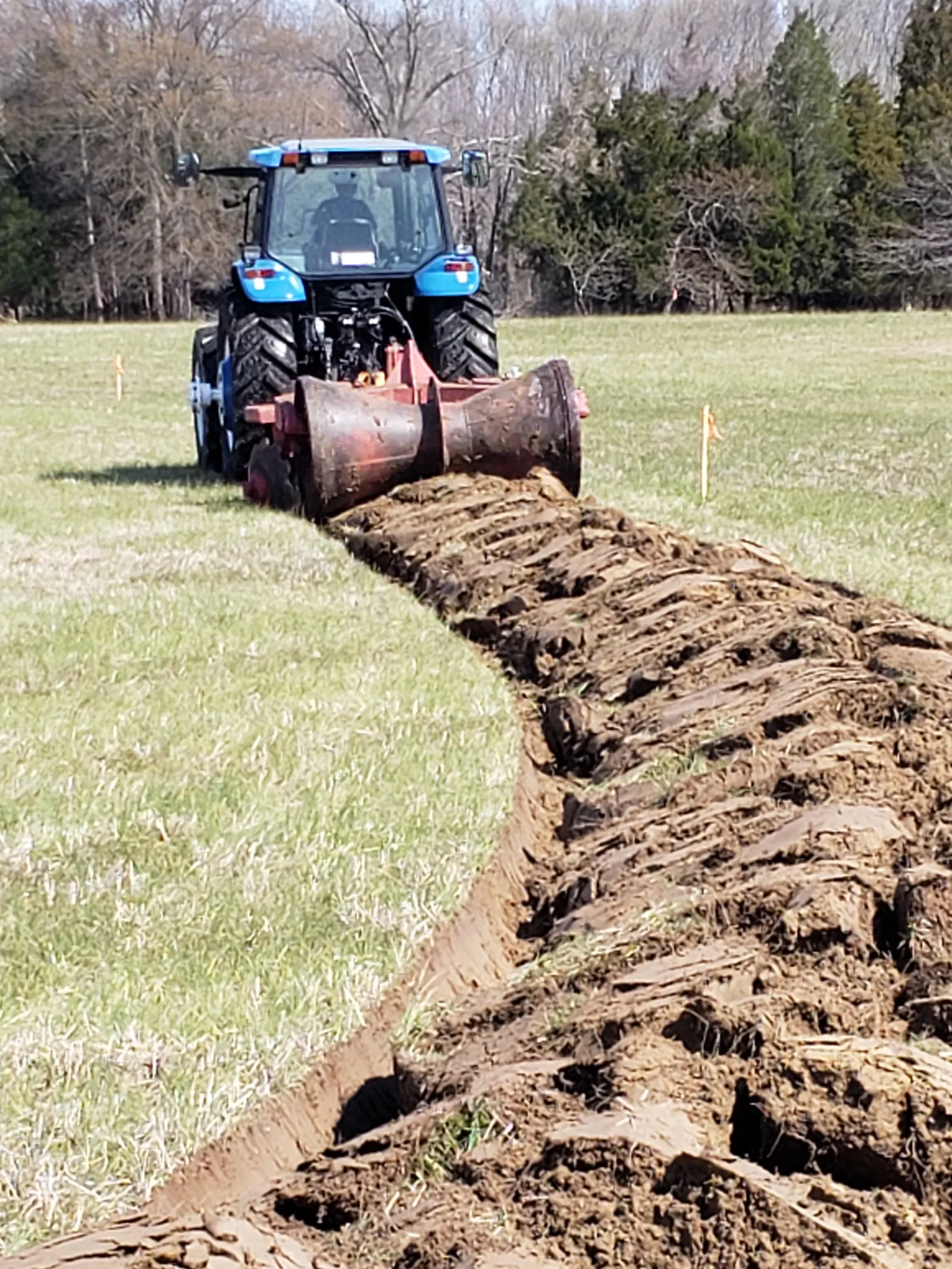
When the hour-long drainage test fails, this is plan B.
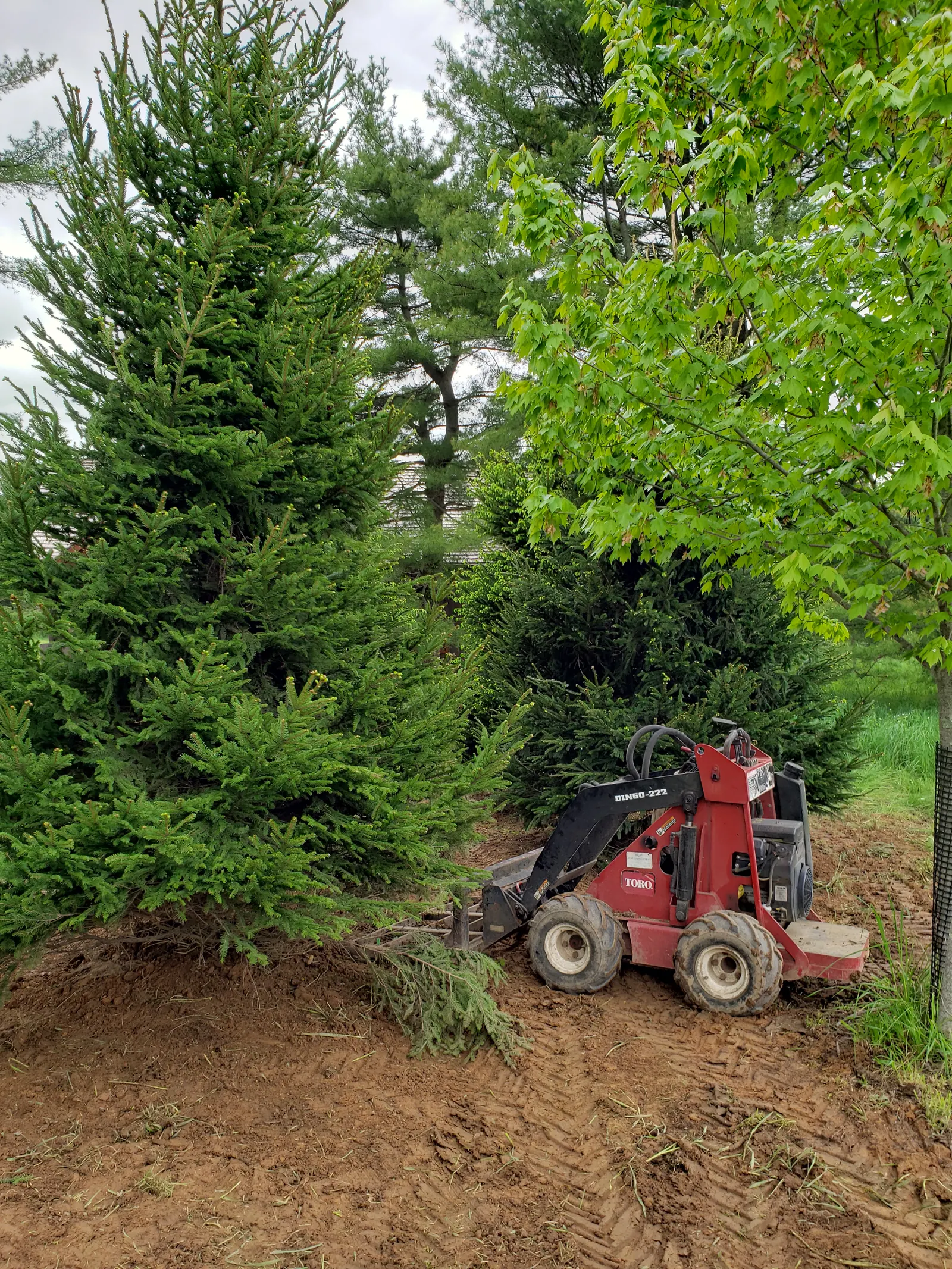
Setting the windbreak that makes an open-meadow patio usable in April.
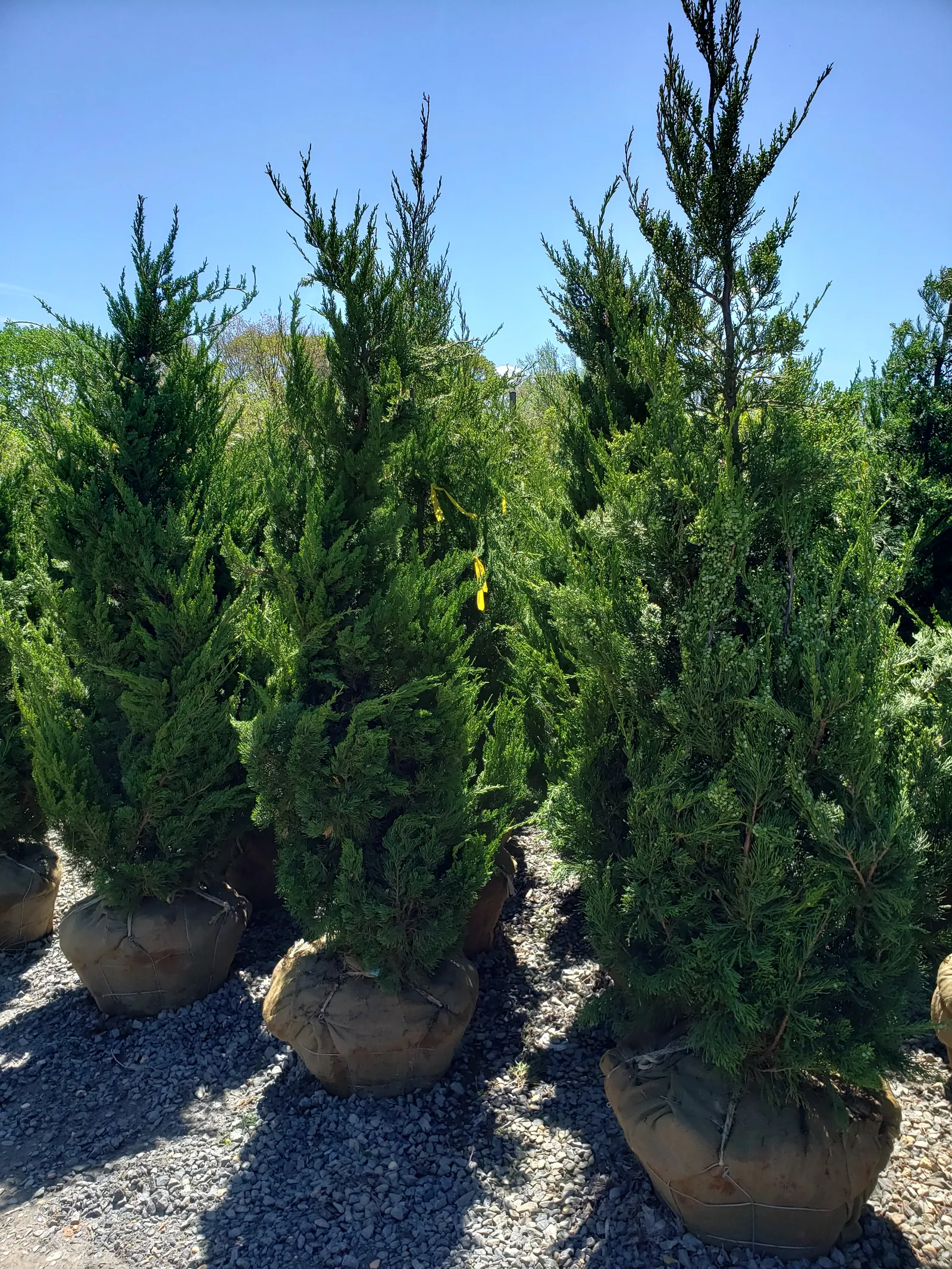
Balled-and-burlapped evergreens staged for a living fence.
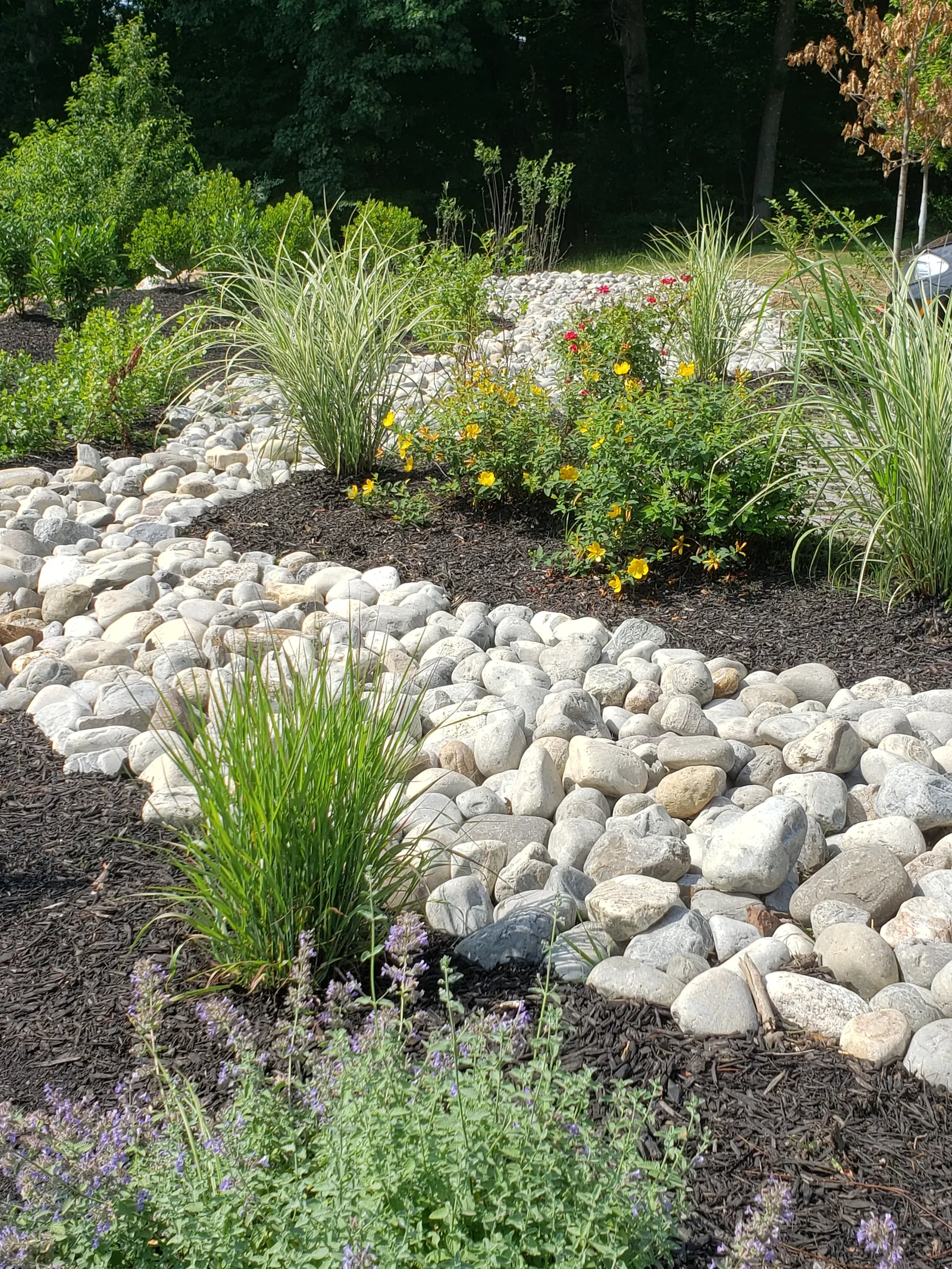
A dry creek that carries storm water instead of fighting it.
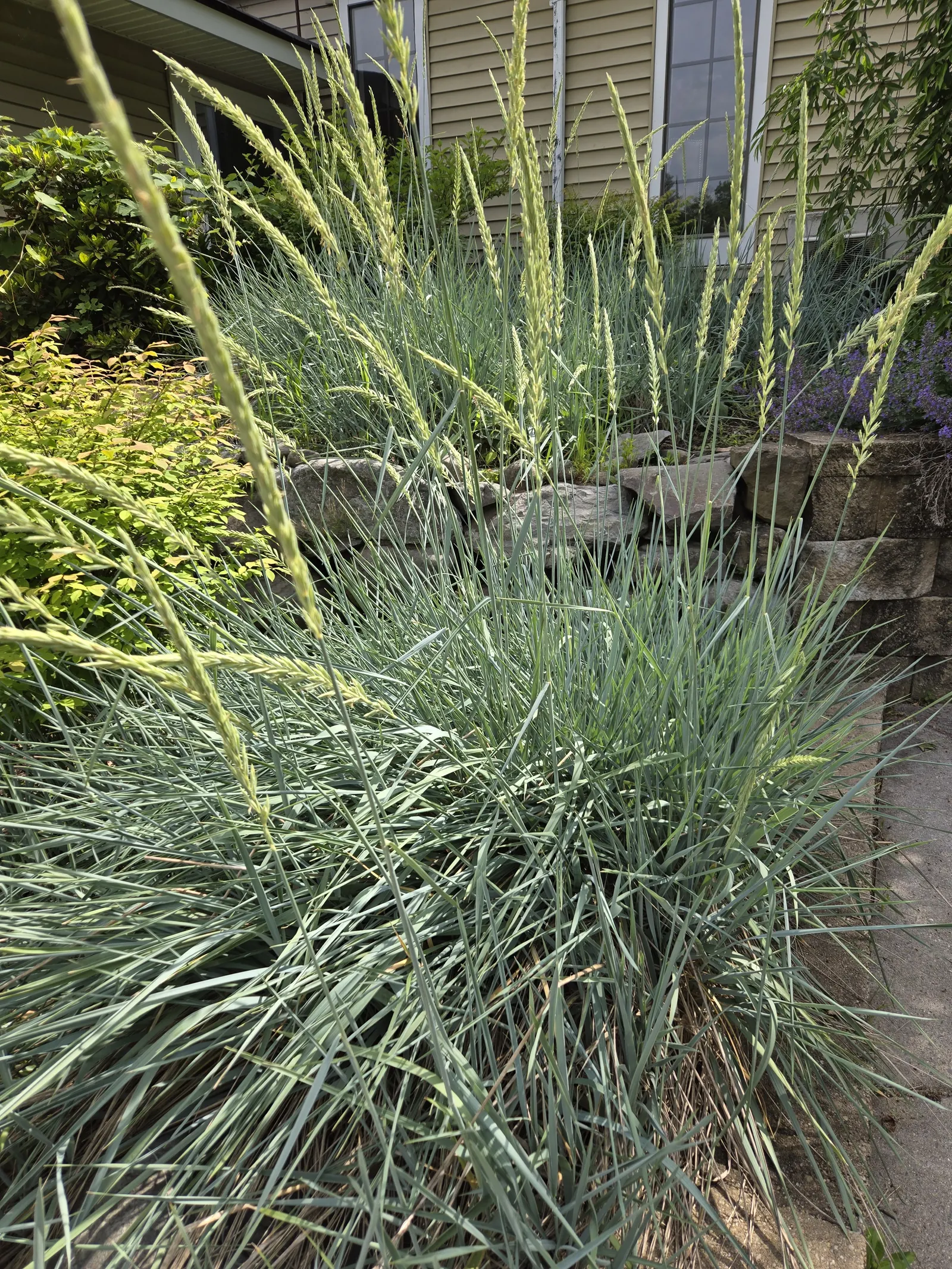
Switchgrass and friends — happy in muck or ridge soil, and standing through winter wind.
What's different about yards in Great Meadows
Muck soil and a high water table
Meadow lots stay wet into May and after every big rain. Raise your beds 8–12 inches, plant trees on slight mounds, and choose plants that genuinely like wet feet. Don't fight it with drain tile until you've tried planting for it.
Frost pockets
Expect the last frost a week later than neighboring towns (May 15–20) and the first one earlier (late September). Hold tender annuals and tomatoes until Memorial Day weekend and cover on clear, still nights in late September.
Open sun and wind
Farm country means nothing between you and the weather. A windbreak of mixed evergreens and native shrubs on the northwest side makes the whole yard — and the house — more comfortable, and gives birds somewhere to live.
Deer, groundhogs and geese
Wildlife pressure is farm-level. Fence the vegetable garden (8 feet for deer, buried a foot for groundhogs) and build the ornamental yard from plants they skip: grasses, ferns, catmint, alliums, red-twig dogwood, winterberry.
Ideas that work here
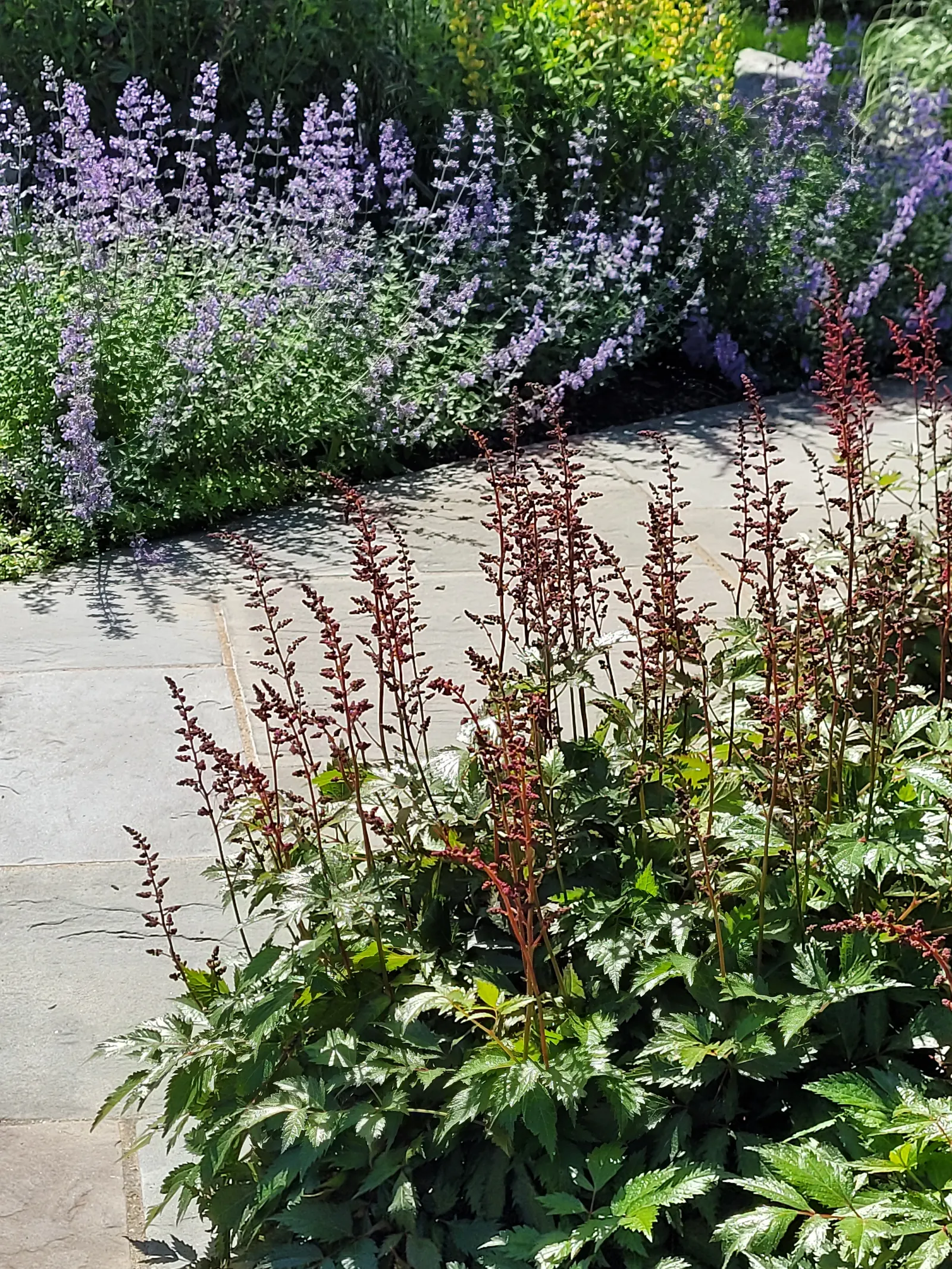
Rain gardens and wet-meadow plantings
Turn the soggy low corner into the best bed in the yard: winterberry holly, red-twig dogwood, swamp milkweed, Joe-Pye weed, blue flag iris and sedges. It floods, it drains, it blooms, and the monarchs find it.
See perennials ideas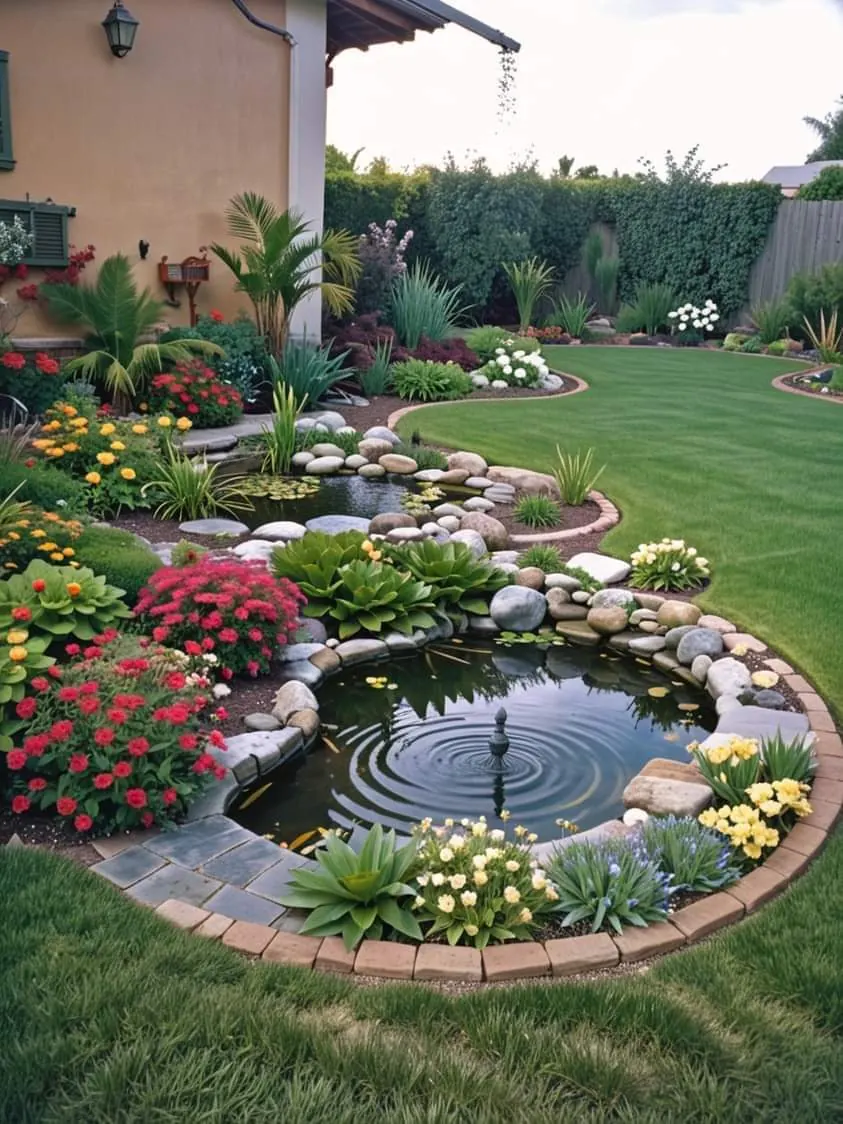
Raised-bed kitchen gardens
That black soil in a 12-inch raised bed with a deer fence around it will out-produce anything you've grown. Cedar or stone-sided beds, gravel paths between, and a hose bib nearby.
See full gardens ideasEvergreen windbreaks and living fences
White pine, Norway spruce, eastern red cedar and bayberry in a staggered double row on the windward side. Ten years from now it's the reason the patio is usable in April.
See shrubs ideasLinda's plant picks for Great Meadows yards
| Plant | Where it goes | Why it works in Great Meadows |
|---|---|---|
| Winterberry holly (Ilex verticillata) | Wet spots, hedgerows | Native, thrives with wet feet, red berries all winter; deer mostly ignore it. Plant one male for every 5 females. |
| Red-twig dogwood | Wet low ground, full sun | Loves muck soil, blazing red stems in winter, holds soggy banks. |
| Swamp milkweed & Joe-Pye weed | Rain garden, sunny wet | Native, monarch magnets, happy in standing water for days. |
| Eastern red cedar & Norway spruce | Windbreak, northwest side | Tough evergreens that shrug off wind and wet-then-dry cycles; screen and shelter. |
| Switchgrass 'Northwind' | Sunny, wet or dry | Native grass standing 5 feet tall through winter wind; deer-proof; handles both muck and ridge soil. |
| Blue flag iris | Pond edge, ditches | Native iris that blooms in the wettest ground you own; groundhogs and deer leave it alone. |
Linda's Tip 🌿
Before you plant a tree in Great Meadows, dig the hole, fill it with water and time it. If it hasn't drained in an hour, plant that tree on a mound a foot high — or pick a swamp white oak that wants to be wet.
Your Great Meadows backyard
See it before you build it — then find it near 07838.
Snap a photo of your yard and get a free AI design tuned to what you describe. Then calculate materials and find plants, mulch, stone and pros around Great Meadows.
Great Meadows landscaping questions
What hardiness zone is Great Meadows, NJ?+
Zone 6a, but the meadow itself behaves like a frost pocket: later spring frosts and earlier fall frosts than the surrounding hills. Ridge lots toward Jenny Jump are true 6a.
When is the last frost in Great Meadows?+
Plan on May 15–20 — and watch the forecast into Memorial Day weekend on the meadow floor. First fall frost can arrive in the last week of September.
What can I plant in wet, mucky soil?+
Winterberry, red-twig dogwood, buttonbush, swamp milkweed, Joe-Pye weed, blue flag iris, sedges, river birch and swamp white oak all thrive in wet ground. Raise beds for everything else.
Where can I buy plants and topsoil near Great Meadows?+
Nurseries and landscape supply yards along Routes 46 and 31 serve the area, and several local farms sell compost and topsoil. Backyard Buddy's Local Marketplace searches suppliers around zip 07838.

Written by
Landscape Designer & Contractor · 38+ years of hands-on landscape construction in the Northeast. Every article here comes from real jobs, real soil and real mistakes — not a content farm.
Free download
Get Linda's Top 10 Backyards — free.
Plus one gardening tip a week from 38 years of experience. No spam, unsubscribe anytime.
We'll never share your email. One tip a week, that's it.